



AG Barr Joins Attack on Section 230 With Unusual Request to Congress

AG Barr Joins Attack on Section 230 With Unusual Request to Congress

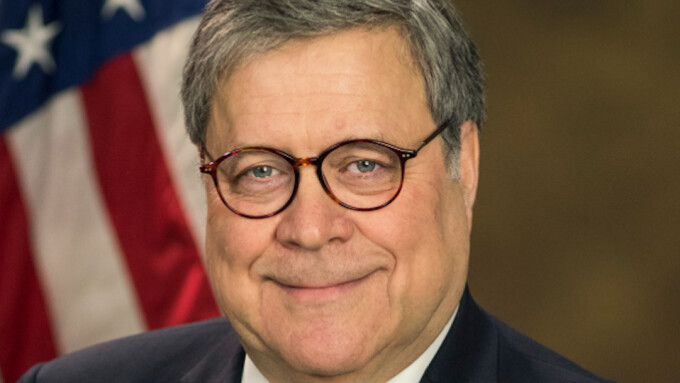
WASHINGTON — In an extremely unusual move by the U.S. Justice Department — part of the executive branch — AG William Barr sent to Congress today a legislative proposal to undermine Section 230, the so-called “First Amendment of the internet.”

Back in May, Donald Trump issued a similarly unusual Executive Order, mandating several department under the executive branch — including Barr’s DOJ — to find ways within their authority to erode Section 230 protections.

According to the U.S. Constitution, altering or repealing Section 230 falls under the powers of the legislative branch.

Today’s request from the DOJ, the Washington Post reports, "came in the form of a rare, legislative proposal that specifically seeks to whittle down Section 230, a decades-old provision of federal law that spares websites from being held liable for content posted by their users — and immunizes some of their own decisions about what posts, photos and videos to leave up or take down.”

William Barr issued a statement making his intentions explicit. “For too long Section 230 has provided a shield for online platforms to operate with impunity,” Barr said. “Ensuring that the internet is a safe, but also vibrant, open and competitive environment is vitally important to America.”

Graham's Latest Anti-230 Bill

This rare instance of executive intrusion into the legislative process arrived only 24 hours before Senator Lindsay Graham (R-SC) stealthily scheduled discussion of a bill, S. 4632, which he called the Online Content Policy Modernization Act.

Graham's new bill, which explicitly seeks to undermine the First Amendment based on a new notion of "objectionally reasonable belief," includes a change of wording that would seek to make online platforms liable for "material that the provider or user has an objectively reasonable belief is obscene, lewd, lascivious, filthy, excessively violent, harassing, or promoting self-harm, promoting terrorism, or unlawful, whether or not such material is constitutionally protected.”

The Online Content Policy Modernization Act is yet another attempt by Graham to reform or revoke Section 230 protections. A previous Graham sponsored bill, the EARN IT Act, also aimed at Section 230, is making its way through the Senate, as are a few other proposals that Graham has praised.


Copyright © 2026 Adnet Media. All Rights Reserved. XBIZ is a trademark of Adnet Media.
Reproduction in whole or in part in any form or medium without express written permission is prohibited.

More News

House Committee to Weigh Online Safety Bill With Federal AV Requirement

The U.S. House of Representatives Committee on Energy and Commerce will meet Thursday to consider and potentially amend the Kids Internet and Digital Safety (KIDS) Act, which includes provisions to make age verification by adult websites federal law.

SWR Data Publishes 'Creator Income' Report

Adult industry market research firm SWR Data has published a report on creator incomes.

Pineapple Support to Host 'Neurodivergent Performers' Support Group

Pineapple Support is hosting a free online support group for neurodivergent performers.

'Legal Impact' Webinar Unpacks North Carolina's New Consent Law

Industry attorney Corey D. Silverstein on Thursday held a webinar focused on North Carolina’s HB 805, a new law that has significantly altered performer consent requirements in the state.

FSC Launches Privacy-First Age Verification Solution for Members

The Free Speech Coalition (FSC) announced today that it has granted members exclusive access to the PrivateAV age verification solution.

Brazil: New AV Requirements Set to Take Effect March 17

President Luiz Inácio Lula da Silva this week gave final approval to new regulations requiring adult websites to age-verify users located in Brazil starting March 17.

FSC Recommends Platforms Integrate StopNCII.org Tool

In a blog post, Free Speech Coalition (FSC) has recommended that platforms integrate the StopNCII.org tool to prevent the sharing of non-consensual intimate imagery (NCII).

Utah 'Porn Tax' Bill With VPN Provisions Passes State Senate

The Utah state Senate has passed a bill that would impose a 2% tax on the revenues of adult websites doing business in that state, and make sites liable if Utah minors use VPNs to circumvent geolocation.

Fast-Tracked Arizona Bill Includes Consent 'Catch-22' for Adult Sites

A bill advancing rapidly through the Arizona state legislature would impose new requirements for adult content uploaded online, including seemingly contradictory provisions that could effectively make it impossible for adult sites to operate in the state.

Show More

