



WASHINGTON — Four House Democrats introduced another Section 230 reform bill last week, titled the “Justice Against Malicious Algorithms Act.”
According to the legislators’ announcement, the bill aims to “remove [the] liability shield when a platform knowingly or recklessly promotes harmful content.”
If passed, JAMAA would erode Section 230 protections for the first time since FOSTA-SESTA in 2018, and would mark only the second time ever that legislation has assailed those protections.
Energy and Commerce Committee Chairman Frank Pallone, Jr., D-N.J., Communications and Technology Subcommittee Chairman Mike Doyle, D-Pa., Consumer Protection and Commerce Subcommittee Chair Jan Schakowsky, D-Ill. and Health Subcommittee Chair Anna Eshoo, D-Calif., announced the bill on Thursday and introduced it in the House on Friday. The timing follows on the heels of the so-called “Facebook whistleblower” testimony earlier this month.
According to a statement by Rep. Pallone’s office, JAMAA “would lift the Section 230 liability shield when an online platform knowingly or recklessly uses an algorithm or other technology to recommend content that materially contributes to physical or severe emotional injury.”
Pallone stated that the bill was prompted because, in his view, “social media platforms like Facebook continue to actively amplify content that endangers our families, promotes conspiracy theories and incites extremism to generate more clicks and ad dollars.”
“These platforms are not passive bystanders,” Pallone added. “They are knowingly choosing profits over people, and our country is paying the price. The time for self-regulation is over, and this bill holds them accountable. Designing personalized algorithms that promote extremism, disinformation and harmful content is a conscious choice and platforms should have to answer for it.”
Co-sponsor Doyle said that the proposal for a radical revision of Section 230 — the 1996 piece of legislation known by digital right activists as “the First Amendment of the internet” — is necessary to address “the harm [social media platforms] do to our society.”
Co-sponsor Schakowsky referred to what she deemed “the severe harm” caused by platforms, while co-sponsor Eshoo said JAMAA builds on her previous proposal, the Protecting Americans from Dangerous Algorithms Act.
According to the legislators, the bill “would remove Section 230 immunity if an online platform knowingly or recklessly uses an algorithm to recommend content to a user based on that personal information, and if that recommendation materially contributes to physical or severe emotional injury.”
The group clarified that their proposal “does not apply to search features or algorithms that do not rely on personalization. It would also not apply to internet infrastructure such as web hosting or data storage and transfer or to small online platforms with fewer than five million unique monthly visitors or users.”
For the text of the bill, click here.
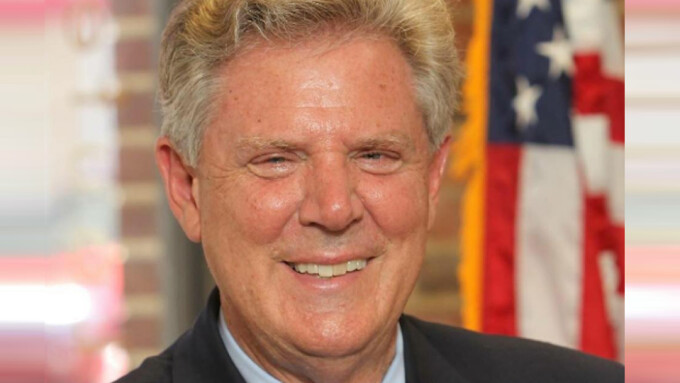
Main Image: Rep. Frank Pallone (Source: Rep. Frank Pallone's Twitter)



