Over the last few years, I’ve walked into stores and wandered around looking at how products are categorized and merchandised. Often, I look specifically for areas where sleeves, douches, strap-ons, male, gay and trans products could be displayed. It’s obvious that traditional cis-gender female products take a lot of floor space and rightly deserve a lot of attention, as they are expensive and likely generate a large portion of any store’s revenues — unless of course you are a gay store. But aside from female products, how does a store address issues related to sexual identity?
I think this deserves conversation, because over the last decade, we have witnessed a general movement away from labelling individuals and forcing them into a section of the store. This is driven by a strong movement to create an equal space for everyone and by a greater acceptance that sexual desire is fluid and is not always consistent with labelling.
There may not be enough demand yet for a trans store in every city, but in a more practical way, I think this is the perfect time to make a section that is specifically for trans individuals.
But I wonder if this is the right direction for groups that are still forming their identity. I remember when I was a young man — about 30 years ago — that I had only a level of “taboo” recognition in adult stores for my sexual needs, meaning it was in a corner behind a curtain! That certainly didn’t make me feel good about myself. At some point the gay market exploded and the products made their way onto the shelves in the main part of the store. Often there was, and still is, a section for gay products. When these first appeared, they were very empowering. As a gay man, I knew that there were products made specifically for me and even if I was embarrassed to buy something (I often was) I had the courage to buy it because I knew the store knew why I was buying it — I told myself “they wouldn’t have a gay section if they didn’t like gays!”
Progressive stores addressing an enlightened urban population have had the ability to blend gay products in with “straight” products with little repercussion from their client base. This is likely not the case in more rural areas, where gays may not be as well accepted. But either way, the packaging for products that would appeal to gay men has evolved and will not contain a picture of a woman on them. And you won’t find a picture of a man on lesbian-targeted product.
Trans products are new, but not only are the products new, for much of the world, the mainstreaming of the word “trans” is brand-new too. What was the experience like for a trans male or female when they walked into an adult store prior to this worldwide awakening? I think we can all imagine what it was like, though I bet it was, and sometimes still is, worse than most of us will or can imagine. It was probably like my experience 30 years ago walking into a store and wanting to buy a sex toy. I felt ashamed, like a freak, abnormal, unwanted and like everyone was staring at me.
What made me able to walk into a store and enjoy the experience? I discovered that gay stores existed in New York City, and with a wave of more starting to open up, you knew you were welcome, and society had made a space for you. Secondly, products were packaged with messaging that embraced my sexuality. That meant to me that I had been recognized and that my needs were validated.
I think we need to consider the trans market so fresh that it is important to validate it in every way possible. There is a lot of shame and body dysmorphophobia in the trans community, and this needs to be met with compassion and understanding. There may not be enough demand yet for a trans store in every city, but in a more practical way, I think this is the perfect time to make a section that is specifically for trans individuals. In my mind, there should be a big virtual sign saying “we‘ve got you!“ with the way it is presented. It should contain trans-specific products, and can optionally contain other products that are often bought by trans like maybe a good strap-on, douches, etc., and other accessories we all need, like lubes, toy cleaners, etc. This validation will make a trans individual know you have recognized them as a group and will empower the individual, ultimately giving them the rightful recognition that trans people have different sexual product needs than cis men and cis women, and that you are a store that wants to serve that community.
I think the trans community is still reeling from years of misunderstanding and general dismissal of their needs. It may take time for this section to get traffic like it may deserve, but I have little doubt that just like the gay products section, over time this section will give birth to an enlightened population for the trans community and will become a milestone for all adult stores on their timeline of “big events that changed the industry forever.”
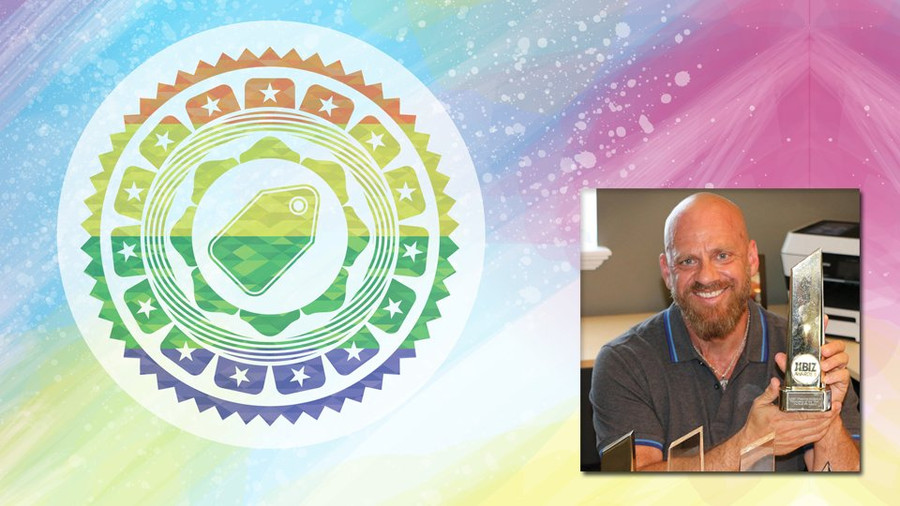
Steve Callow inventor, designer and CEO of Florida-based Perfect Fit Brand. Established in 2011, Perfect Fit is the manufacturer of innovative, high-quality and easy-to-use sexual health aids and sex toys for the full gender and sexuality spectrum. Callow founded the company based on the principle that sex toys should not only look and feel great, but must, above all, perform.