



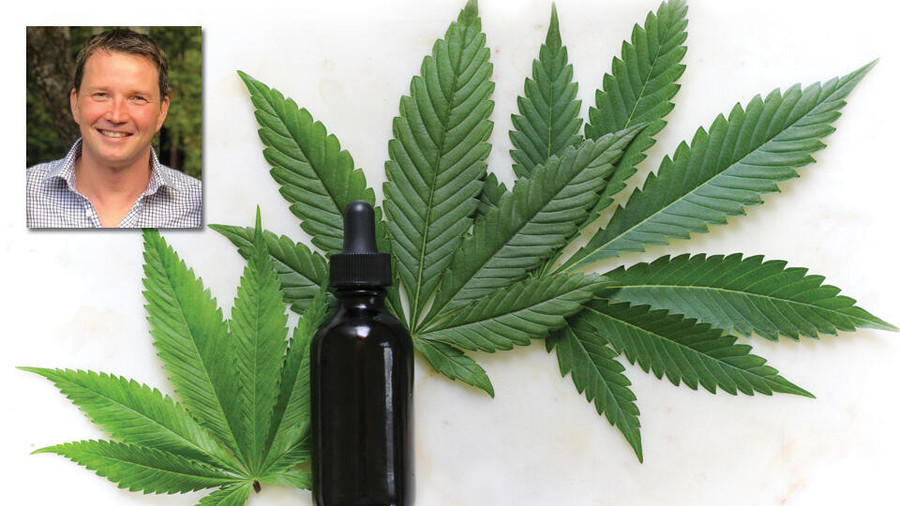
Humans have used plant-based extracts for thousands of years. The techniques for extracting plant compounds have matured a great deal in that time and can be directly applied to the cannabis industry. In recent years, eyes have turned toward the commercialized cannabis space looking for innovative new products designed for various modes of delivery.
As manufacturers strive to differentiate their products, consumers are left trying to decipher terms like “broad spectrum,” “full spectrum” and “isolate.” Basically, these are defined as different levels of refinement as one extracts plant compounds from cannabis and industrial hemp. The scope of this article will be limited to these terms, but there is a whole range of additional “formats” when you walk into a dispensary selling THC products such as wax, shatter, budder, live resin, rosin, diamonds, live sugar — and the list goes on for the cannabis connoisseur.
Isolate is an excellent consideration for intimate products where color, odor and appearance are important.
Extraction and Refinement
Extraction refers to the process of removing important compounds from a plant using a solvent to produce extract. Refinement refers to the process of taking the resulting extract and purifying it to some level. There are a variety of extraction techniques like mechanical and solvent-based (polar and nonpolar). Similarly, there are a number of refinement techniques like cold temperature precipitation (casually referred to as winterization) and various distillation techniques.
When extraction is performed you will have extract that contains three primary components: 1. The desired plant compounds like cannabinoids, terpenes and flavonoids; 2. Some undesirable plant matter like lipids, waxes and chlorophyll; and 3. The solvent itself.
Refinement is the process of separating out these components to retrieve all or some of the desirable plant compounds.
Full-Spectrum CBD
Full-spectrum oil does not have a formal definition but it is generally expected that the extract is refined with a high level of care to preserve not only the cannabinoids that were present in the original plant, but also all of the terpenes and flavonoids. This process is difficult and often has to be done at low temperatures to prevent the terpenes and flavonoids from evaporating.
The benefits of a full-spectrum oil are often referred to as the “entourage effect,” meaning that all the plant compounds are present and work together in a greater capacity than the sum of their individual components could achieve. The complexity of understanding these interactions still has a long way to go in the scientific world given that cannabis has several hundred compounds in total and more are still being discovered.
Terpenes are responsible for the smell of the plant and given that they are fully present in the extract, one can expect a full-spectrum extract to smell like the source plant: earthy, rich and just like cannabis. This may or may not be desirable in the target product. Full-spectrum is also a mirror of the original plant profile. If that plant profile varies due to the grower, environment or other factors, so will the profile of the finished full-spectrum product. It is worth noting that if a manufacturer sources and uses full-spectrum oil in their product, but uses heat in their manufacturing process, the terpenes and flavonoids are likely going to evaporate. The end product may not have all that the original full-spectrum oil had to offer. The only way to confidently ascertain the profile of the finished product would be to review a Certificate of Analysis that shows the terpene profile of the finished product.
Pros of Full-Spectrum Extract: Entourage effect, full plant profile
Cons of Full Spectrum Extract: Natural and full aroma of plant
Texture: Thick oily paste
CBD Isolate
Isolate is essentially the opposite of full-spectrum. Isolate represents a single compound like CBD, CBG or THC. The refinement process is executed in such a way to yield individual compounds. While the symphonic effect of having all the plant compounds isn’t possible with isolate, you can be confident of purity.
Quality isolate is always over 99% pure. This means no THC (in a CBD isolate), no heavy metals and no odor. Consistency of quality across harvests and processing is high due to the purity. Isolate is an excellent consideration for intimate products where color, odor and appearance are important.
Pros of Isolate: No THC, no odor, no flavor, high concentration, consistency
Cons of Isolate: Does not offer the full benefits of the “entourage effect”
Texture: Crystalline white powder
Broad-Spectrum CBD
Broad-spectrum oil is similar to full-spectrum and has some, but not all, of the plant terpenes and flavonoids present. There is still some amount of entourage effect to be expected but to a lesser degree since not all of the original plant compounds are present. Broad-spectrum can be produced via the same means as full spectrum but with less concern of loss due to temperatures and pressures. Another common method of production is to start with an isolate, like CBD, and reintroduce select cannabinoids and terpenes to the mix.
Pros of Broad Spectrum: Partial entourage effect
Cons of Broad Spectrum: May still carry and hemp odor and color
Texture: Thick oily paste
An informed customer may look for products made with a certain type of extract for specific reasons. For example, someone who is concerned with passing a THC drug test may wish to consider a product made with CBD isolate only, since they can be assured that zero THC will be present. Others may be focused on benefiting from all the plant has to offer and may wish to choose a full-spectrum CBD product for the entourage effect. As we learn more about the plant, even more clever formats will surely be developed. Perhaps new modes of delivery beyond edibles, topicals or tinctures will be devised — a hearty topic for another article.
John Renko B.S.E., is a CBD scientist and educator, as well as the co-founder of GoLove CBD Lube.